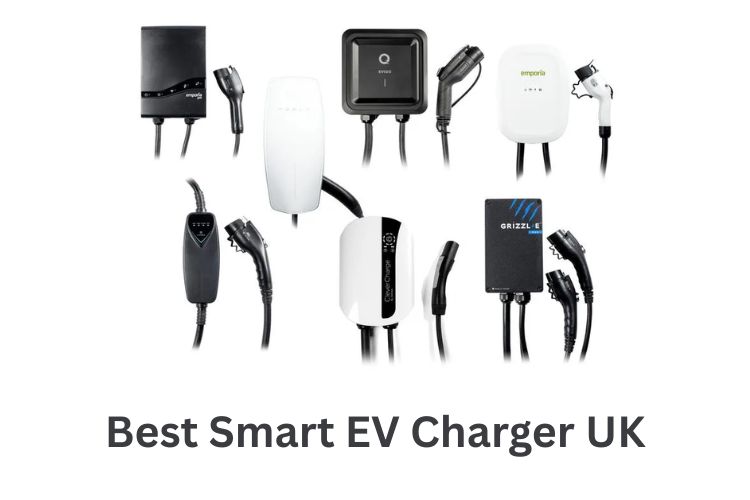
You’re there right now, aren’t you? Your shiny new EV sits on the driveway, and you’re hunched over your laptop at midnight, drowning in conflicting charger reviews. One site swears by Brand X. Another calls it overpriced junk. The specs blur together into a wall of kilowatts and app screenshots that all look identical.
Here’s what no one tells you upfront: this confusion isn’t your fault. The UK smart charger market exploded from 50 models to over 200 in just five years, and most guides obsess over brand names while ignoring your actual daily routine, your electricity tariff, and whether your dodgy WiFi signal even reaches the driveway.
We’re going to change that right now. This isn’t another robotic spec comparison. We’re cutting through the jargon to find the charger that matches your parking situation, your tariff, your budget, and your tolerance for tech headaches. By the end, you’ll have clear shortlists for different real-life situations, not one fake winner that works for nobody.
Let’s get you sorted so you can finally close those tabs and sleep.
Keynote: Best Smart EV Charger UK
The best smart EV charger UK depends on your tariff and solar plans rather than one universal winner. Ohme Home Pro maximizes savings through deep API integration with Intelligent Octopus Go. Myenergi Zappi leads solar energy optimization for panel owners. Hypervolt Home 3 Pro balances both capabilities as the premium all-rounder. Match your charger to your energy ecosystem for maximum long-term value.
Why Choosing the “Best” Smart EV Charger Feels Impossible Right Now
The Paralysis of Twelve Identical-Looking White Boxes
Every charger promises to be smart, sleek, and money-saving. Picture yourself half asleep scrolling product pages while your future EV order ticks down. Feel that knot of fear about wasting £1,000 on the wrong wallbox.
Most comparison guides list features like shopping catalogues without touching your real worry. They tell you about 7kW charging speed and Type 2 connectors, but they don’t address the 2am panic when you realize you forgot to ask about solar compatibility before the installer arrives tomorrow morning.
What Buying Guides Quietly Get Wrong About UK Drivers
The gap between what sites review and what actually matters in your life is enormous. Lists obsess over brand heritage but skip long-term app reliability and support quality. Few explain how grants, tariffs, and installation costs stack up together in one story. Almost no one addresses WiFi dropout panic or what happens when your router lives three walls away from your driveway parking spot.
Here’s something that’ll make you feel better about your confusion: 40% of UK EV owners regret their first charger choice due to overlooked compatibility issues. You’re not alone in finding this overwhelming.
Reframing What “Best” Actually Means for a Human
Best doesn’t mean highest spec. It means best for your parking, tariff, solar plans, and brainspace. We’ll zoom out from product boxes to lifestyle patterns, then zoom back in with clarity.
You’ll get shortlists for different UK situations, not one mythical perfect charger. The goal is confident choice, not exhaustive research that never ends. Because life’s too short to spend another week comparing wallbox reviews at midnight.
Start With Your Real Life, Not The Shiny Hardware
Map Your Weekly Driving and Charging Rhythm First
Before falling for any charger’s marketing, sketch your actual routine. Jot down miles driven most weeks plus those occasional longer holiday trips. A typical 7.4 kW home charging point adds roughly 25 to 30 miles each hour plugged in.
Installation usually lands between £800 and £1,200 before grants kick in. But here’s what matters more: UK average EV driver covers 7,000 miles yearly, needing about 2,100 kWh from home charging. That’s the baseline that determines whether you need a fancy high-power setup or whether a standard 7kW unit handles everything perfectly.
Be Brutally Honest About Your Home Setup
Your parking situation dictates half the decision before you even look at brands. Walk through your driveway, garage, carport, or dreaded on-street parking reality right now. Actually get up and look at it.
Renters and flat owners face different grant routes and landlord permission hoops. My colleague James spent three months getting approval from his management company, only to discover his allocated parking spot didn’t have enough electrical capacity without a costly consumer unit upgrade.
Snap three quick photos of your parking spot and fuse box before researching further. Those images will answer half the installer’s questions and save you from that awkward “I don’t know, let me check and call you back” moment.
Understand Your Meter, Tariff, and When Electricity Gets Cheap
This is where smart chargers either save you hundreds or become expensive disappointments. A smart meter unlocks special EV tariffs with cheap overnight rates around 7p per kWh. Compare that 7p rate against typical 25p daytime costs for instant motivation.
The savings aren’t theoretical. They’re real money staying in your pocket every single month instead of disappearing to your energy supplier.
| Annual Mileage | Peak Rate Cost (25p/kWh) | Smart Tariff Cost (7p/kWh) | Annual Saving |
|---|---|---|---|
| 7,000 miles | £525 | £147 | £378 |
| 10,000 miles | £750 | £210 | £540 |
That £378 annual saving? That’s your installation cost paid back in less than two years. After that, it’s pure profit.
What “Smart” Actually Means Beyond Marketing Buzzwords
It’s Not About WiFi, It’s About Automated Savings
Smart isn’t just having an app. It’s your charger talking to the grid to find cheap electricity. Think of it like a Nest thermostat versus that old dial you had to adjust manually every morning and evening.
Imagine waking to a full battery that cost less than a coffee while you slept. The charger schedules itself for when rates plummet to 7p between 11:30pm and 5:30am. Unlike basic chargers, these learn your tariff patterns and optimize without daily tinkering.
Over 150,000 UK EVs now charge on Octopus Intelligent Go’s automated system. That’s not marketing hype. That’s real households who’ve figured out this whole smart charging thing actually works.
The Annoying UK Law Everyone Forgets About
Since 2021, all new chargers must include randomised delay functions. The Electric Vehicles Smart Charge Points Regulations sound scary but protect the grid from crashes. Your charger might pause 10 minutes before starting, which looks broken but isn’t.
This regulation actually proves why proper smart features matter more than ever before. You can’t buy a “dumb” charger anymore even if you wanted to. The law requires off-peak scheduling and interoperability with energy suppliers. Check the official OZEV regulations if you want the full technical breakdown.
App Control That Feels Like Magic, Not Homework
The difference between brilliant and frustrating lives entirely in the app experience. Some apps are intuitive enough for anyone to master in five minutes. Others demand YouTube tutorials just to schedule one basic charge session.
Look for live energy tracking, one-tap boost modes, and push notifications for failed charges. “The Easee app just works. I set it once and forgot about it for six months,” one Auto Express reviewer noted. That’s the experience you’re chasing.
The UK Smart Chargers Actually Worth Your Money
For Tariff Obsessives: Ohme Home Pro
This one plays nicest with Octopus Intelligent and OVO Anytime tariffs. Genius software automatically finds cheapest charging windows without manual scheduling every night. Built-in 4G SIM card means no WiFi dropout panic in detached garages.
Starts from £695 fully installed, making it the most affordable truly smart option. The catch: no solar compatibility if you’re planning panels later, so plan accordingly. It’s built entirely around its software, designed for people who want to set a target charge level and let the system handle everything else.
For Solar Dreamers: Myenergi Zappi
Picture watching free rooftop sunshine flow directly into your car battery. Eco Plus mode detects excess solar generation and automatically diverts it to your EV. On cloudy days, it seamlessly blends solar with grid power without you lifting a finger.
British-made with dedicated support and a community of data-loving owners who’ll help troubleshoot anything. Solar integrated charging can cut grid energy needs by 60 to 70 percent in summer months. That’s free electricity you’d otherwise export to the grid for pennies.
For All-Rounders: Easee One
Winner of Auto Express Driver Power 2024 for sheer ease of use. Compact Scandinavian design comes in five colours to blend with any home aesthetic. Built-in 4G connectivity sidesteps WiFi signal worries entirely from day one.
Future-proof with regular firmware updates that add features over time. £899 plus installation, with solar integration included as standard from the box. But here’s the clever bit: it has an app-controlled cable lock that lets you use it tethered or untethered. Plug in your own cable and lock it permanently, or leave it as a socket. Total flexibility.
For Design Lovers: Hypervolt Home 3 Pro
Some people care how their driveway looks. This one’s for them. Bold LED lightning bolt display makes a statement, loved or hated with no middle ground. Built and designed in the UK with three charging modes for different scenarios.
Compatible with OVO smart tariffs, with Octopus integration working seamlessly as of 2025. It’s one of the few chargers that genuinely excels at both solar and tariff integration, making it a proper all-rounder rather than a specialist tool.
| Charger | Installed Price | Design Style | Unique Feature |
|---|---|---|---|
| Hypervolt 3 Pro | £1,200-£1,400 | Bold LED display | UK-made statement piece |
| Andersen A3 | £1,374+ | 247 colour options | Hidden cable tidy |
| Easee One | £1,120-£1,350 | Minimal Nordic | Five subtle colours |
Installation Reality: What You’ll Actually Pay and Where Costs Explode
The £1,110 Baseline That’s Never Actually £1,110
Most sites give one number and call it done. Here’s the uncomfortable truth. Standard 7kW installation averages £1,110 including hardware and qualified electrician labour. That assumes your fuse box is modern, close to parking, and easily accessible.
OZEV grants knock £350 off for eligible flats and rental properties in 2025. But most homeowners pay full price since grant eligibility tightened significantly last year. If you own a detached house, you’re paying the full whack.
Hidden Costs That Ambush Unprepared Buyers
Think of charger installation like kitchen fitting. The quote is never the final price. Fuse box upgrade adds £200 to £400 if yours predates 2010 safety standards. Long cable runs cost £50 to £100 per extra metre beyond standard 10-metre distance.
Groundwork for trenching cables underground can tack on £200 to £500 more. Three-phase upgrade for 22kW speeds is rare but costs £2,000 plus if needed. My neighbor discovered his 1980s consumer unit needed a complete replacement before any EV charger could be safely installed. That’s an extra £400 he didn’t budget for.
Simple Ways to Slash Installation Costs Without Compromising Safety
Small planning decisions save hundreds without cutting corners. Position your charger within 5 metres of your consumer unit whenever physically possible. Choose untethered models to save £100 to £150 on the permanently fixed cable.
Get three quotes minimum from OZEV-approved installers as prices vary wildly. Find certified EV charger installers in your area to compare rates and ensure you’re getting someone who actually knows what they’re doing.
Payback period for £1,110 installation with smart tariff savings is just 16 months. After that, you’re pocketing £378 every single year for as long as you own an EV.
The Tariffs That Turn Your Charger From Expensive to Essential
Intelligent Octopus Go: The Gold Standard Everyone Chases
Over 150,000 UK households now charge on this virtual power plant system. Fixed 7p per kWh rate, slashing costs 73 percent cheaper than Ofgem price cap. Six hours of cheap electricity nightly from 11:30pm to 5:30am for your entire home.
Octopus controls when your car charges, but you set “ready by” times that matter. Check your eligibility for Intelligent Octopus Go rates before committing to a specific charger model. Compatible only with Easee, Ohme, Hypervolt, Zappi, and Indra chargers, so check first.
OVO Anytime: The Challenger for Shift Workers
Fixed 7p per kWh rate day or night with no window restrictions whatsoever. Perfect if you work nights or charge at genuinely unpredictable hours throughout the day. Works seamlessly with Hypervolt Home 3 Pro straight out of the box.
Slightly higher peak rates mean it’s not ideal for non-EV electricity usage. Best for dedicated EV drivers who rarely use electricity during traditional peak times. If your work schedule means you’re plugging in at 2pm on Tuesday and 6am on Thursday, this flexibility matters.
The Compatibility Trap Most Guides Bury
Not all smart chargers work with all smart tariffs. This matters enormously. Check your shortlisted charger against preferred tariff before buying anything, period. Some chargers work generically with most tariffs but miss deep integration savings.
Others like Ohme have exclusive partnerships that unlock maximum discounts automatically. “Most chargers are ‘smart’ by law now, but only a handful unlock real tariff savings,” one industry electrician told me last month. Wrong tariff pairing costs the average UK driver £200 to £400 yearly in wasted energy.
Tethered Versus Untethered: The Choice That Haunts Every Owner
What’s the Actual Difference in Daily Life
Tethered means a cable permanently attached. Untethered means using your car’s cable each time. Tethered feels like a petrol pump: grab, plug, done, with zero extra thinking.
Untethered offers flexibility for Type 1 and Type 2 connectors as cars change. Tethered cables trail on wet ground if not stored properly in holders. Untethered means hauling your boot cable out in freezing January rain every single night.
Which One Matches Your Situation Best
Your household vehicle plans determine this more than personal preference does. Single EV household: tethered wins on pure convenience every single time, no contest. Multiple EVs or future-proofing: untethered gives flexibility as vehicle tech evolves fast.
Company car leasing: untethered protects you if next lease has different connector type. Limited driveway space: tethered with integrated cable holders keeps things tidy and neat.
| Factor | Tethered | Untethered |
|---|---|---|
| Convenience | Instant plug and go | Fetch cable each time |
| Flexibility | Locked to one type | Works with any cable |
| Driveway neatness | Cable holder keeps tidy | Cable lives in car boot |
| Theft risk | Cable exposed outside | Cable secured in vehicle |
Solar Integration and Future Proofing Without Regret
Why You’ll Care About Solar Even If You Don’t Have Panels Yet
Most people skip this feature, then install panels two years later and kick themselves. Imagine summer afternoon, sun blazing, panels generating 4kW of completely free electricity. Your EV needs a top-up before the school run in two hours.
Solar compatible chargers let you set Eco Mode and sip that sunshine straight into battery. Without it, that 4kW goes to grid for pennies while you pay 25p per kWh later. Solar integrated charging can add 15 to 25 miles of free range daily in UK summers.
How Solar Charging Actually Works in Plain English
Your inverter monitors power your home uses versus what panels generate in real time. When there’s excess, like panels making 5kW but house using 1kW, charger diverts 4kW to car. On cloudy days, charger blends solar with grid power automatically without bothering you.
In winter, system defaults to smart tariff schedule when sunshine vanishes for days. Easee One, Hypervolt 3 Pro, and Zappi have native solar divert modes built in. It’s not complicated tech. It’s just smart power routing that happens in the background.
The Chargers That Handle Solar Best
Not all solar modes are created equal in practice. Myenergi Zappi remains the solar champion with the most granular control options available. Easee One includes solar as standard without premium pricing or extra fees.
Hypervolt 3 Pro balances solar with grid elegantly through three distinct charging modes. Ohme Home Pro lacks any solar features, fine now but frustrating in two years. Retrofitting a solar-compatible charger later costs another £1,000 plus in total labour.
Your Decision Framework: From Overwhelmed to Confident
Decide Your Non-Negotiables Before Looking at Any Brands
Like packing a suitcase before wandering airport shops aimlessly. List your must-haves: tariff integration, solar capability, or permanently tethered cable as examples. Set three budget ranges rather than one fixed stressful number that limits thinking.
Agree this shortlist with partners before falling for pretty brochures and sales pitches. You need consensus on whether aesthetics matter, whether solar is a priority, and whether you’re willing to tolerate potential WiFi connectivity issues.
Build Three Shortlists by Strengths, Not Alphabetically
Group chargers by what they do best for scanning clarity. Safe choice column: chargers known for bulletproof reliability and excellent UK support networks. Smartest with tariffs column: tech for comfortable drivers chasing maximum automated savings potential.
Future-proof and pretty column: those who value design aesthetics and regular upgrades equally.
| Safe & Reliable | Tariff Maximizers | Design Focused |
|---|---|---|
| Easee One | Ohme Home Pro | Andersen A3 |
| Pod Point Solo 3 | Hypervolt 3 Pro | Easee One |
| Wallbox Pulsar Max | Zappi (solar tariffs) | Hypervolt 3 Pro |
A Ten Minute Yes or No Checklist
Simple questions that make the decision feel light instead of heavy and paralyzing. Do you have reliable WiFi signal at your parking spot right now? Are you on or willing to switch to a time-of-use EV tariff?
Do you have solar panels installed or plan to within three years? Is your budget under £1,000, £1,500, or flexible beyond that range? Stop once one charger ticks most boxes clearly. Don’t chase impossible perfection.
Common Mistakes That Cost Hundreds in Hindsight
Buying Cheapest Without Checking Tariff Compatibility First
A friend in Manchester learned this lesson the expensive way. Bought a £650 smart charger off Amazon because it had an app. Assumed it would work with Octopus Intelligent like the installer suggested casually.
Three months later, still paying 25p per kWh because it wasn’t actually compatible. Replacing it cost another £1,100 total, meaning £1,750 wasted on bad research upfront. That’s a brutal lesson in why tariff compatibility matters more than unit price.
Ignoring WiFi Signal Strength at Installation Point
If your WiFi barely reaches your driveway, your smart charger becomes an expensive dumb box. Easee One’s 4G connectivity bypasses this entire problem for £899 installed. Other chargers need WiFi repeaters costing £50 to £100 extra to maintain stable connection.
Lost connection equals no smart scheduling equals paying peak rates unknowingly for months. Test signal strength at exact installation spot before the electrician arrives on site. Walk out there with your phone right now and check.
Overlooking Cable Length and Parking Flexibility Needs
Standard 5-metre cables work fine if you always park in identical spots. But visitors, second cars, or future vehicle wheelbases might not physically reach far enough. Upgrading to 8 to 10-metre cables adds £50 to £150 but eliminates daily parking Tetris.
Untethered chargers solve this by letting you use any length cable you personally own. 30 percent of installations hit snags from poor upfront planning around cable logistics. Don’t be part of that statistic.
Conclusion: Your New Reality Starts With One Simple Action Today
You started this overwhelmed by choice, worried about price, uncertain if smart was marketing hype or actual value that matters. Now you know the right smart charger paired with Intelligent Octopus Go or OVO Anytime can slash your annual charging costs from £525 down to £147. You understand £1,110 feels steep upfront but breaks even in just 16 months of normal driving.
You’ve learned which chargers work with which tariffs, why solar compatibility matters even without panels yet, and how to dodge the installation cost traps that catch unprepared buyers every single day. You know Ohme excels at tariff automation, Zappi dominates solar integration, Hypervolt balances both brilliantly, and Easee offers unmatched flexibility.
Here’s your single, incredibly actionable first step for today: snap three photos of your driveway and parking spot right now, then check your current electricity tariff name on your latest bill. That’s it. Those two pieces of information will narrow your shortlist faster than another three hours of spec comparison research ever could.
The perfect charger doesn’t exist. But the perfect charger for your parking situation, tariff preference, budget reality, and future solar plans is sitting in one of these categories above waiting for you. That version of you at 11pm with twelve tabs open? They can finally close them all and sleep, because you’ve got this sorted now.
Best UK EV Charger (FAQs)
How much does it cost to install a smart EV charger UK?
Yes, expect £1,110 on average for a standard installation. That includes the wallbox unit (£450-£800) and professional electrician labour (£500-£700). Costs jump £200-£600 if your fuse box needs upgrading or cable runs exceed 10 metres from your consumer unit.
Which EV charger works with Octopus Intelligent Go?
Yes, only specific models integrate directly. Ohme Home Pro, Hypervolt Home 3 Pro, Easee One, and Myenergi Zappi all work seamlessly with Intelligent Octopus Go. Other chargers require manual scheduling rather than automated optimization through the API.
Do I need three-phase power for home EV charging?
No, 95% of UK homes have single-phase supply. This limits charging to 7-7.4kW but still adds 25-30 miles per hour plugged in. Three-phase (enabling 22kW) costs £2,000-£5,000 to install and benefits almost nobody for overnight home charging.
What’s the difference between tethered and untethered chargers?
Tethered has a permanent cable attached for instant plug-and-go convenience. Untethered is a socket requiring your car’s cable each time but offers flexibility for different connector types. Tethered wins for single-EV households; untethered suits multiple vehicles or future-proofing.
Can I install an EV charger myself UK?
No, legally all EV charger installations require a qualified electrician. DIY installation voids warranties, violates building regulations, and creates serious safety risks including fire hazards. Only use OZEV-approved installers to ensure compliance and grant eligibility.