You’ve been staring at your spreadsheet for three weeks now. Two electric vehicles. Two completely different price tags. And that gnawing feeling that whichever one you don’t choose will haunt you every time you’re stuck in traffic or scraping into a parking spot.
One’s a scrappy, adventure-styled city car priced to make sense. The Jeep Avenger starts around $50,000 and wears that seven-slot grille like a badge of urban capability. The other’s a sleek performance machine that costs $16,000 more and makes your pulse race every time you see one glide past. The Polestar 2 isn’t just transport. It’s a statement.
Here’s the thing. This isn’t about specs anymore. It’s about whether you’ll still love your choice in two years when the newness wears off and you’re just living with the daily reality of your decision. Will you curse that tight parking spot or celebrate it? Will you crave that extra power or never miss it?
We’re going to match these cars to your actual life, not the life you think you should be living. Cold data, warm clarity. Let’s get you sorted.
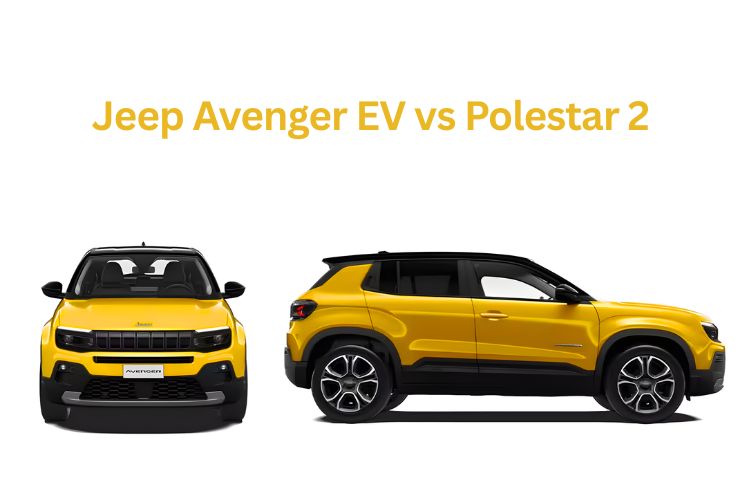
Keynote: Jeep Avenger EV vs Polestar 2
The Jeep Avenger EV and Polestar 2 serve fundamentally different EV buyers despite frequent comparison searches. The Avenger excels as an affordable subcompact urban SUV with iconic styling and 200mm ground clearance, ideal for city-focused drivers prioritizing maneuverability and value. The Polestar 2 delivers premium performance, superior range, and advanced Google-powered technology for enthusiasts willing to invest $16,000 more. Neither competes directly. Choose based on daily reality, not aspirational driving.
The Philosophy Gap: What These Cars Are Actually Trying to Be
Understanding their core missions will save you from expensive regret.
The Jeep Avenger: Honest Urban Adventure in a Compact Frame
The Avenger is a compact warrior at just 4.08 meters long. That’s smaller than a VW Polo lengthwise, built for tight parking and grocery runs, not off-road glory. But that signature Jeep attitude with 200mm ground clearance whispers “I can handle your sketchy driveway” without pretending to be a Wrangler.
This is Jeep’s first genuine stab at the subcompact electric SUV market, and they’ve packaged it on Stellantis’ e-CMP2 platform. It shares bones with the Peugeot 2008, but you’d never know it from the outside. Those seven slots, the trapezoidal wheel arches, the boxy stance? Pure Jeep DNA compressed into a European B-segment package.
Real talk: 115kW (154hp) and front-wheel drive mean it’s peppy enough for city life, hitting 0-100km/h in about 9 seconds. Not thrilling. Not meant to be. The Avenger’s job is to make your daily commute stress-free while looking like you could tackle a forest road if the mood struck. Spoiler: you probably won’t, but the capability’s there.
The Polestar 2: When Practical Stopped Being the Point
Swedish minimalist fastback at 4.61 meters, now stripped to one high-performance trim for 2025 in the US market. It’s like a restaurant that only serves the premium tasting menu now. No budget options. No compromises.
The Polestar 2 comes from Geely-owned Polestar, sharing Volvo DNA but carving its own path as a dedicated electric performance brand. Even the base Long Range Single Motor configuration pumps out 220kW (299hp), rocketing you to 100km/h in 6.2 seconds. The dual motor variants? We’re talking 349-476hp and acceleration times that’ll pin you to your seat at 4.2 seconds.
This is for people who value the drive itself. Not just getting from A to B. The actual sensation of piloting something that responds, that rewards, that makes you take the long way home just because.
Geely ownership meets Volvo engineering heritage, resulting in premium aspirations backed by real-world Chinese manufacturing efficiency. It’s not trying to be a Jeep. It’s not trying to be cute. The Polestar 2 is here to prove electric cars can be genuinely exciting.
The Daily Reality Check: Size, Space, and the Stuff Nobody Mentions
This is where brochures lie and owners tell the truth.
Dimensions That Change Everything
The Avenger’s 4.08-meter frame dodges urban parking nightmares like a pro. That 10.5-meter turning circle means you can U-turn on streets that would have the Polestar doing a three-point shuffle. The Polestar’s extra 53cm demands more grace, more planning, more sweating when that parking spot looks borderline.
Ground clearance tells another story. Avenger’s 200mm versus Polestar’s road-hugging 151mm. One eases “will I scrape?” anxiety every single day. The other plants you for high-speed stability you might never actually use.
| Dimension | Jeep Avenger | Polestar 2 |
|---|---|---|
| Length | 4.08m | 4.61m |
| Boot space | 355L | 405L + 41L frunk |
| Ground clearance | 200mm | 151mm |
| Weight | 1,520kg | ~2,000kg |
| Turning circle | 10.5m | 11.5m |
Interior Truths: The Compromises You’ll Live With
The Avenger gives you a high seating position that feels commanding. You sit up, you see over traffic, you feel safe. But let’s be honest about the materials. Even in top Summit trim, there’s a lot of hard, scratchy plastic. It’s durable, sure. Easy to clean after muddy boots. But it doesn’t feel premium when you’re spending $60,000.
Rear seats? They’re a compromise. No cupholders. No armrests. No air vents. Not even proper door pockets. This is fundamentally a two-person car pretending to seat four. Your kids on the school run? Fine. Adults on a road trip? They’ll notice.
The Polestar mixes genuine premium materials with some disappointing hard plastics that don’t match the price tag. WeaveTech vegan upholstery or Nappa leather from Bridge of Weir feels luxurious up front. But those firm rear seats sit high, creating uncomfortable leg angles for long trips. It’s better than the Avenger, but it’s not what you’d expect from a $66,000 car.
Here’s the boot reality that flips the script: the Avenger’s 355 liters feels tight when you’re loading groceries. The Polestar’s 405 liters plus that brilliant 41-liter frunk actually wins despite the “SUV versus sedan” assumption. And the Polestar can tow 1,500kg. The Avenger? Zero towing capacity. Not even rated for a bike rack.
Range Unmasked: The Numbers You’ll Actually See
Both manufacturers are optimistic. Let’s talk about what happens in your driveway.
The Avenger’s Honest Struggle
WLTP claims 248 miles or 396km, and in perfect city conditions with gentle driving, you might actually see it. But real-world mixed driving lands you at 180-220 miles. Some independent testing shows drops to 193-361km depending on conditions, temperature, and how heavy your right foot is.
City driving stretches efficiency beautifully. The Avenger sips electrons at 12-13 kWh/100km when you’re stop-and-go below 50mph. Hit the motorway at 70mph and watch that number balloon. You’re looking at significantly reduced range when cruising.
The battery is 51kWh usable from a 54kWh gross pack. That’s a small, efficient setup paired with 100kW DC fast charging. You’ll get 20-80% in roughly 24 minutes under ideal conditions. Not bad, but here’s what they don’t tell you: there’s no battery preconditioning. Show up at a charger in winter with a cold battery, and that 24 minutes becomes considerably longer.
The Polestar’s Performance Penalty
EPA rates the standard range at 254 miles. WLTP gets optimistic with 344-408 miles for the long-range pack with its 69-82kWh battery variations. Most buyers get the bigger battery, and they need it.
Dual motors and performance focus eat efficiency at 2.7 miles per kWh. That’s not especially thrifty. The Polestar 2 is a heavy car pushing through air with urgency, and physics doesn’t care about your Scandinavian minimalism.
But 180-205kW fast charging means 10-80% in just 26-28 minutes. More importantly, the Polestar’s battery preconditioning system heats the pack to optimal temperature when you route to a charger. Set a DC fast charger as your destination in Google Maps, and the car starts warming the battery before you arrive. Consistent, reliable charging speeds even in February.
Think of batteries like water bottles. The Avenger’s is small and light, perfect for short trips where you’re never far from home. The Polestar’s is big and heavy, but it gets you further between stops and fills faster when you need it.
Your Weekend Trip Reality
Avenger’s realistic comfort zone: 150-mile round trips without charging anxiety. That’s your parents’ house if they live an hour away, or a day trip to the coast if you’re strategic about where you top up.
Polestar’s realistic comfort zone: 200-mile round trips with breathing room. You’re not sweating the return journey. You’ve got margin for detours, for blasting the heat, for not obsessing over the range meter.
Cold weather hammers both cars, but the Polestar’s larger battery buys you margin when that 20% range loss hits. Losing 40 miles from 200 is manageable. Losing 35 miles from 180 starts to sting.
The Safety Gap That Actually Matters
This section might decide everything if you carry family or log motorway miles.
The Euro NCAP Reality Check
Three stars. The Avenger earned three stars in 2024 Euro NCAP testing. That’s marginal to weak pedestrian and cyclist automatic emergency braking performance in key scenarios. It’s safe enough, but it’s not confidence-inspiring when you’re strapping your kids in the back.
The Polestar 2 earned five stars back in 2021 testing. Center airbag between front occupants. Robust advanced driver assistance systems. Volvo engineering heritage showing through in every crumple zone and safety calculation. It’s not just marketing. The structure includes Severe Partial Overlap Crash blocks designed to protect both occupants and the high-voltage battery.
If your passengers are rarely just yourself, these stars carry weight beyond marketing. Two extra stars represent thousands of hours of engineering focused on keeping people alive in the worst moments.
Tech and Screens: Your Daily Interface
The Polestar wins on integration, and it’s not close. Google built-in means Android Automotive OS running natively on that 11.2-inch vertical screen. This isn’t Android Auto projection. This is the entire car running on Google’s operating system. Google Maps knows your battery state and plans routes with preconditioned charging stops. Google Assistant controls everything by voice. The Play Store lets you install native apps.
It’s also got Apple CarPlay now, so iPhone users aren’t left out. But the native system is so good you might not bother. Frequent over-the-air updates keep improving the car after you buy it.
The Avenger delivers solid basics with dual 10.25-inch screens, wireless CarPlay and Android Auto, and TomTom navigation via Uconnect. It works. It’s functional. Physical buttons for climate control are genuinely appreciated. But compared to the Polestar’s sophistication, it feels like a phone versus a smartphone.
Google’s Gemini AI integration rolling into the Android Automotive OS ecosystem signals the Polestar’s long-game tech advantage. Your car will get smarter over time. The Avenger probably won’t.
The $16,000 Question: Where Does That Gap Actually Go?
Let’s get brutally honest about what you’re paying for.
Price Breakdown by Market
| Market | Jeep Avenger Range | Polestar 2 Range |
|---|---|---|
| Australia | $49,990-$60,990 AUD | $62,400-$66,200 AUD |
| UK | £30,000-£39,000 | £45,000-£62,000 |
| US | Not available | $66,200 (2025 single config) |
The Avenger isn’t sold in the United States. Let that sink in. All those searches, all that interest, and Stellantis won’t ship it here. They’ve promised a different $25,000 Jeep EV “very soon,” but it won’t be this one.
UK buyers are getting an artificially good deal right now. The Zero Emission Vehicle mandate threatens automakers with £15,000 fines per vehicle if they miss EV sales targets. Stellantis slashed the Avenger’s price by up to £6,000 to move units and dodge penalties. They’d rather take a smaller margin than pay regulatory fines. Lucky British buyers.
What That Extra Money Buys
Performance: you’re paying roughly $119 per extra horsepower when you jump from the Avenger’s 154hp to the Polestar’s 476hp in top spec. That’s actually reasonable in the EV world.
Tech: Öhlins adjustable suspension, Brembo brakes, all premium packages now standard in the Polestar’s 2025 US consolidation. They’ve gone all-in on performance enthusiasts rather than chasing volume.
Safety and refinement: those two extra Euro NCAP stars, that center airbag, those mature ADAS systems that actually work consistently. That’s peace of mind engineering.
The Total Ownership Story
The Avenger’s smaller battery means cheaper charging top-ups for city driving. You’re putting less energy in, which shows up on your electricity bill month after month.
The Polestar holds resale value stronger per auction data, potentially offsetting that upfront premium. Premium EVs with strong tech credentials and brand recognition depreciate slower than budget alternatives.
Heat pump matters. It’s now a $500 option on the Avenger but standard on the Polestar. In cold climates, that heat pump preserves 10-15% more range by efficiently warming the cabin without draining the battery. Over years of winter driving, that adds up to dozens of extra miles and hundreds of dollars saved in charging costs.
The Driving Feel Split: What Your Body Will Remember
Specs don’t capture what it feels like to own these for a year.
Behind the Avenger’s Wheel
Light, almost numb steering gives you stable motorway manners at the cost of engagement. The soft suspension soaks up city potholes beautifully, delivering a grown-up, composed feel for a subcompact SUV.
It lacks urgency when you need to merge or overtake, but it delivers stress-free commutes. Comfortable. Predictable. Unexciting. Imagine never worrying about parking again. That’s the Avenger’s daily gift to you.
Wind noise at speed matches some Teslas thanks to that boxy shape punching through air. The motor feels strained past 70mph. And the lack of one-pedal driving frustrates EV converts who’ve gotten used to barely touching the brake pedal.
Behind the Polestar’s Wheel
Breathtaking acceleration even when passing at highway speeds. That mid-range surge when you need to get around a truck feels effortless and confidence-inspiring. The power demands respect but never feels intimidating.
Firm, choppy ride quality over broken pavement comes from those 20-inch wheels and performance-tuned suspension. It’s not harsh, but it’s definitely not cushy. The Polestar prioritizes handling and control over sofa-like comfort.
Adjustable suspension with the Performance Pack and genuinely engaging steering reward drivers who actually enjoy driving. One Polestar owner captured it perfectly: “I thought I needed the speed until I realized I never use it during my 45-minute commute.” But when you do unleash it, you grin.
The Matchmaker: Who Should Actually Buy Which
Here’s the framework that cuts through all the marketing noise.
You’re an Avenger Person If…
Your daily commute sits under 40 miles round trip, mostly urban or suburban terrain. Parallel parking and tight spots define your daily reality, not highway cruising.
You need that 200mm clearance for sketchy driveways, speed bumps that make sedans bottom out, or light gravel confidence when visiting friends in the countryside.
Fifty to sixty thousand dollars is your firm ceiling, and every feature dollar counts. You’re not stretching for premium when practical works just fine.
Backseat passengers are rare or just your kids on short trips. You’re honest that this is fundamentally your car, and others ride along occasionally.
Write down your weekly driving pattern right now. City kilometers versus highway kilometers. If city dominates, the Avenger makes sense. If highway dominates, keep reading.
You’re a Polestar Person If…
You genuinely enjoy driving and value the experience itself, not just transport. The feeling of acceleration and responsive handling matters to your daily happiness.
Home charging or reliable fast-charger access is locked in. You’re not guessing or hoping. You know exactly where and when you’ll charge.
That extra $16,000 won’t fundamentally alter your financial picture or delay other life goals. It’s expensive, but it’s not a stretch that stresses you.
You want something distinctly NOT a Tesla with premium Scandinavian design credentials. The brand matters. The statement matters.
Your passengers are usually just you or one other person, and long-trip comfort for the driver trumps rear seat space. This is a personal vehicle that happens to have back seats.
Keep Shopping If…
You routinely drive 200-plus mile days without charging access or flexible schedules. Both these cars will create range anxiety you don’t need.
You need legitimate five-passenger comfort for family road trips with teenagers or adults. Neither rear seat excels at long-distance comfort.
Either price point feels like a financial stretch right now. Don’t overextend for an EV. Better options at different price points exist.
Harsh winters and questionable charging infrastructure define your reality. Consider alternatives like the Hyundai Ioniq 5, Kia EV6, or BMW i4 that offer different compromises in cold-weather capability and charging network access.
Conclusion: The Decision That’s Actually Simple
Here’s what this really comes down to: these aren’t competitors. They’re answers to completely different questions about who you are and how you move through the world.
The Jeep Avenger is for people who need an electric car that makes sense Monday through Friday. It’s efficient, compact, honest about its limits, and wears adventure clothes to the grocery store. It won’t wow anyone with 0-60 times, but it’ll never stress you about parking or give you range anxiety on your daily routine.
The Polestar 2 is for people who want their car to feel special every single time they drive it. You’re paying for performance you’ll rarely unleash, refinement that elevates every trip, and technology that makes other EVs feel outdated. The extra $16,000 buys peace of mind on road trips, safety engineering that shows in crash tests, and the pure joy of instant, effortless power.
We faced the real fears together: range limitations, safety gaps, that massive price chasm. Now you know which columns in those comparison tables mirror your actual life, not your imagined one.
Your incredibly actionable first step for today: Test drive both back to back on YOUR commute, in YOUR parking garage, to YOUR grocery store. Not the dealer’s scenic loop designed to make everything feel good. The car that makes you less anxious about daily challenges wins, not the one with better acceleration numbers on paper.
One final, encouraging truth: in five years, you won’t remember the horsepower figure or the 0-60 time. But you’ll absolutely remember whether your car disappeared seamlessly into your routine or fought you every single day with tight parking, insufficient range, or features you paid for but never used. Choose the one that serves your real life, and the specs will take care of themselves.
Polestar 2 vs Jeep Avenger EV (FAQs)
How does the Jeep Avenger EV compare to the Polestar 2?
Not directly. They’re different size classes serving distinct needs. The Avenger is a subcompact urban SUV at 4.08m with 200mm ground clearance, built for city maneuverability and tight parking. The Polestar 2 is a compact premium fastback at 4.61m focused on performance and highway range. One prioritizes affordability and city practicality. The other delivers power, premium tech, and genuine long-distance capability.
Is the Jeep Avenger available in the US?
No. The Avenger is sold in Europe, Australia, and select international markets but not North America. Stellantis CEO Carlos Tavares confirmed a different $25,000 Jeep EV is planned for the US market “very soon,” but it won’t be the Avenger. American buyers comparing these vehicles should focus on US-available alternatives like the Hyundai Kona Electric, Chevrolet Equinox EV, or stick with the Polestar 2.
What is the difference in size between Avenger and Polestar 2?
Fifty-three centimeters separates them. The Avenger measures 4,084mm long with a 10.5m turning circle, making it exceptionally agile in urban environments. The Polestar 2 stretches to 4,606mm with an 11.5m turning circle, requiring more space to maneuver. Ground clearance differs dramatically: Avenger’s 200mm versus Polestar’s 151mm affects daily scrape anxiety and capability.
Which charges faster: Avenger or Polestar 2?
Polestar 2 charges significantly faster. It supports up to 205kW DC fast charging with battery preconditioning, completing 10-80% in about 26-28 minutes consistently. The Avenger peaks at 100kW without preconditioning, taking 20-80% in roughly 24 minutes under ideal conditions. In cold weather, the Polestar’s preconditioning maintains speed while the Avenger slows dramatically.
Does the Polestar 2 have more range than Jeep Avenger?
Yes, substantially more. The Polestar 2 Long Range delivers 335 miles WLTP (254-320 miles EPA depending on configuration) versus the Avenger’s 249 miles WLTP. Real-world mixed driving shows the Polestar achieving 220-250 miles versus the Avenger’s 180-220 miles. The Polestar’s 79kWh usable battery versus the Avenger’s 51kWh usable capacity creates this fundamental range advantage.