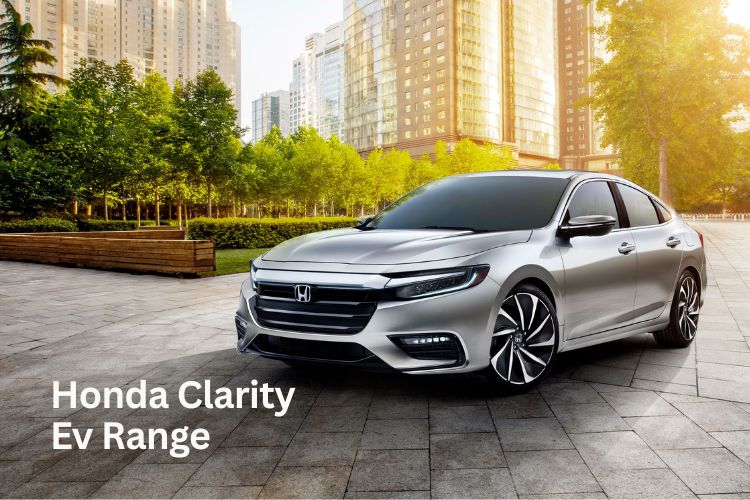
You typed “Honda Clarity EV range” into Google, expecting a simple answer. Instead, you got a mess of numbers: 47 miles, 89 miles, 366 miles, 340 miles. Your stomach sank. Is this car broken? Are these people talking about the same vehicle? Did you just waste three hours researching the wrong model?
Here’s what makes this search so infuriating: Honda slapped the “Clarity” name on three completely different powertrains, then discontinued all of them without warning, leaving you to piece together information from outdated reviews, confused forum posts, and dealers who’ve never actually seen one. You’re not looking for a car anymore. You’re looking for answers that nobody seems to have.
But here’s the truth that will save you hours of frustration: the range you’re seeing depends entirely on which Clarity you’re researching, and most articles never make that clear. We’re going to fix that right now. Together, we’ll separate the three models, decode the real-world numbers behind those EPA ratings, figure out which version actually fits your life, and most importantly, help you stop second-guessing every piece of information you find online.
Keynote: Honda Clarity EV Range
Honda’s Clarity nameplate confused buyers by offering three distinct powertrains with vastly different electric ranges. The PHEV’s 47-mile range proved most practical with gas backup. The BEV’s 89 miles served compliance requirements but couldn’t compete with rivals offering 200+ miles. All variants were discontinued by 2021, leaving a complex used market legacy.
Wait, There Are Three Different Clarities?
The Name That Launched a Thousand Headaches
Imagine if Toyota called the Prius, Camry, and Mirai all “Eco” and expected you to figure it out. That’s exactly what Honda did with the Clarity nameplate from 2016 to 2021. They used one name for three wildly different powertrains over four years, and you’re comparing apples, oranges, and hydrogen-powered pineapples without realizing it.
Search results mash them together, creating the confusion you’re feeling right now. This wasn’t an accident; it was Honda’s experimental platform strategy gone wrong, leaving buyers and researchers to sort through the wreckage.
The Three Siblings That Share Nothing But a Name
| Model | Type | Electric Range | Total Range | Years | Availability |
|---|---|---|---|---|---|
| Clarity Electric (BEV) | Pure Electric | 89 miles EPA | 89 miles | 2017-2019 | Lease-only CA/OR |
| Clarity Plug-in Hybrid (PHEV) | Gas + Electric | 47-48 miles electric | 340 miles combined | 2018-2021 | Nationwide retail |
| Clarity Fuel Cell (FCEV) | Hydrogen | 366 miles on hydrogen | 366 miles | 2017-2021 | Lease-only California |
Most searches return PHEV results because it sold in higher numbers nationwide. The BEV was a compliance car that Honda never really wanted you to buy, while the fuel cell version required infrastructure that barely exists outside a few California zip codes.
Why This Matters More Than You Think
Buying the wrong one could mean daily range anxiety or wasting money on features you don’t need. Dealer mechanics often confuse the models, leading to wrong service recommendations and parts orders. I’ve talked to owners who brought their PHEV in for service only to have the tech insist they needed a hydrogen fuel cell inspection.
Your expectations for “EV range” depend entirely on which powertrain you’re actually considering. Insurance, maintenance costs, and resale value vary dramatically between the three versions, and nobody at the dealership is going to explain this to you because most of them don’t understand it themselves.
The Numbers That Started This Whole Mess
What the EPA Sticker Promised You
The EPA numbers set expectations that the real world immediately crushed. The Clarity Electric promised 89 miles combined with an impressive 126 city and 103 highway MPGe rating. The Clarity PHEV advertised 47 miles electric-only, 110 MPGe combined, and 42 MPG on gas alone when the battery was depleted.
The Clarity Fuel Cell boasted 366 miles on a tank of hydrogen, though good luck finding a station outside the LA metro area. These numbers assume perfect conditions that exist mainly in EPA testing labs, where there’s no traffic, no climate control running, and definitely no Minnesota winter mornings.
What Real Owners Actually See on Their Dashboards
PHEV owners in summer with no AC routinely hit 50 to 65 miles electric, and some lucky souls have reported touching 70 miles. PHEV in winter with heat cranked becomes a brutal 30 to 38 miles that feels painfully normal after your first February.
BEV owners in mild weather find 75 to 85 miles as the realistic sweet spot for planning any trip. BEV in cold climates drops to 60 to 70 miles, and you learn to pack layers instead of using the resistive cabin heater that devours electrons.
The “Guess-O-Meter” That Messes With Your Head
Your dashboard calculates range based on your last few driving cycles, not reality, which means one aggressive merge onto the highway can tank your predicted range for the next three days. The car takes two to three full charge cycles to adjust to new weather or driving patterns, leaving you staring at wildly fluctuating numbers.
Stop trusting the dashboard prediction; start tracking actual miles driven on a full charge using your own spreadsheet or notes app. That sinking feeling when you watch the range prediction drop fifteen miles after driving just five is real, and it’s the Guess-O-Meter doing exactly what it’s programmed to do.
The Regional Reality Nobody Warns You About
| Region | Clarity PHEV Range | Clarity BEV Range | Key Factor |
|---|---|---|---|
| Florida / Southern California | 60-70+ miles | 80-89 miles | Ideal temps, minimal climate control |
| Las Vegas Summer | 40-43 miles | 65-70 miles | Heat degrades performance despite no cold |
| Maine / Upstate New York Winter | 30-35 miles | 55-65 miles | Extreme cold plus heating demand |
| San Francisco Bay Area | 45-52 miles | 75-85 miles | Moderate climate matches EPA within 5 miles |
Location determines your actual daily range more than your driving habits ever will. A PHEV owner in Tampa and another in Minneapolis are driving fundamentally different vehicles with the same nameplate.
Why Your Range Drops Like a Rock (And When to Actually Panic)
Temperature Is Your Battery’s Silent Killer
Lithium-ion batteries lose 20 to 40% efficiency below 32°F due to slowed chemical reactions inside every battery cell. Cold weather isn’t a design flaw; it’s physics that affects every EV on the planet, from a $30,000 Nissan Leaf to a $100,000 Tesla Model S. Extreme heat above 100°F also degrades performance, just more gradually over time rather than the instant punch you feel on a January morning.
Parking in a garage makes a measurable 8 to 12 mile difference in winter mornings because the battery starts warmer and doesn’t have to waste energy heating itself before it can deliver power to the wheels.
That Cabin Heater Is Secretly Destroying Your Commute
The resistive cabin heater in the Clarity draws 4 to 6 kilowatts continuously, which is more power than you’d imagine possible for a comfort feature. Running heat aggressively can slash your range by 30 to 40% on a cold morning, turning a 47-mile PHEV into a 30-mile anxiety machine. Seat heaters use 90% less power and keep you just as comfortable once you adjust to the concept.
Setting cabin temperature just five degrees lower saves about 10% of total battery capacity, which translates to four to five miles you get back every single drive.
Battery Degradation: The Slow Fade Honda Doesn’t Advertise
Your PHEV battery started at 55 amp-hours of capacity when brand new from the factory. Normal aging means you’ll see 45 to 50 Ah after several years of daily use, which is completely expected and not a reason to panic. Anything above 36.6 Ah is considered within normal spec by Honda warranty standards, even if your range has noticeably declined from year one. Below 36.6 Ah triggers warranty replacement if you’re still within the coverage period, but getting to that number requires either abuse or extremely bad luck with your specific battery pack.
As one longtime Clarity forum member explained, “10% capacity loss over three to four years is completely normal, not alarming. I’m at 49 Ah after six years and 42,000 miles, still getting 40+ miles in winter and 60+ in summer.”
When to Worry vs. When It’s Just Winter Being Winter
Sudden drops overnight from 47 miles to 20 miles suggest you need a battery capacity test immediately. Gradual seasonal swings from 50 miles in summer to 35 miles in winter are completely normal and expected with every lithium-ion battery chemistry.
If range doesn’t recover when spring arrives and temperatures climb back above 60°F, schedule a dealer battery diagnostic and demand the specific amp-hour reading. Year-over-year decline of two to three miles annually is typical aging, not a red flag that requires dealer intervention or warranty claims.
The Battery Warranty Nobody Explains (Including Your Dealer)
What Honda Actually Promises in the Fine Print
Eight years or 100,000 miles coverage sounds bulletproof on paper until you read deeper and realize what’s excluded. California and CARB states get 10 years or 150,000 miles through stricter state regulations, giving West Coast buyers a significant advantage. But here’s the catch that dealers conveniently forget to mention: “gradual capacity loss is expected and not covered” by the warranty terms.
Only “greater than normal degradation” qualifies for replacement, and Honda defines “normal” very generously to protect themselves from frivolous claims.
The Magic Number: 36.6 Amp-Hours
| Battery State | Capacity (Ah) | What It Means |
|---|---|---|
| Brand new from factory | 55 Ah | Full original capacity (though some started lower) |
| Normal aging 3-4 years | 45-50 Ah | Expected degradation, no warranty claim |
| Warranty replacement threshold | Below 36.6 Ah | Qualifies for free battery pack replacement |
| Testing cost | $100-160 | Demand “battery capacity test” by name at dealer |
That 36.6 Ah number represents approximately 33% capacity loss from the original 55 Ah specification. If your dealer’s diagnostic equipment shows your pack has dropped below this threshold, Honda is legally obligated to replace it under warranty terms.
Fighting for Your Warranty When Dealers Push Back
Many service departments claim “no error code means no problem” and refuse testing, hoping you’ll just go away. Insist on the specific battery capacity test and demand the printout showing the exact amp-hour reading in writing.
If you’re below 36.6 Ah and they refuse replacement, escalate directly to Honda America customer service at 1-888-528-7876 and reference your warranty documentation. Document everything in writing through email rather than phone calls; warranty claims live or die on your paper trail showing you followed proper procedures.
Living with the PHEV: The 47-Mile Sweet Spot Most People Actually Buy
Why This Version Outsold the Others Combined
That 47-mile electric range covers most daily commutes even with some degradation factored in over time. The gas engine provides zero-stress backup for road trips without charging station hunts or route planning paralysis.
Total combined range of 340 miles means freedom without the planning that pure BEV ownership demands. You drive electric 90% of the time for daily errands and commutes but never feel trapped by charging infrastructure gaps or range limitations on spontaneous weekend trips.
The Commuter’s Secret Weapon
The average American commute is 30 miles round-trip, which sits comfortably within the PHEV’s electric range even accounting for winter degradation. A 20 to 25 mile each-way commute runs entirely on electricity with basic home charging overnight. Many PHEV owners report going months without visiting a gas station for daily driving, using gasoline only for longer highway trips or unexpected detours.
The 7-gallon gas tank becomes your invisible safety net you rarely actually need, but its presence eliminates the range anxiety that plagues pure BEV owners. Total system output of 212 horsepower makes merging and passing confident and smooth, comparable to many V6-powered sedans from the same era.
When the Gas Engine Wakes Up (And Why You Should Plan for It)
The transition from electric to gas can be jarring and surprisingly loud compared to the silent electric operation. “HV Mode” lets you choose when to use gas, allowing you to save battery for city streets where electric operation is most efficient. Highway driving above 60 mph is actually more efficient on gas than depleting your battery, a counterintuitive fact that takes owners months to accept.
Smart drivers mix modes strategically instead of obsessing over pure electric operation, using gas for highway stretches and saving electrons for stop-and-go traffic where regenerative braking works best.
Real Owner Data: The Five-Year Verdict
Battery capacity typically drops from 55 Ah to 49 Ah over six years and 42,000 miles based on forum data from hundreds of owners. Some owners are still hitting 63 to 64 miles of range in ideal conditions after years of use and multiple charging cycles. Resale values held surprisingly well given the discontinuation, with some low-mileage examples selling close to original purchase price in the used market.
The spacious, premium interior keeps owners happy even as newer PHEVs arrive with flashier tech and longer electric ranges.
As one owner posted, “I’m amazed that five years later, there’s almost no PHEV that matches the Clarity’s electric range. The RAV4 Prime beats it, but it’s an SUV with a higher price tag. For sedan shoppers, this thing is still competitive.”
Living with the BEV: When 89 Miles Is Either Perfect or Impossibly Limiting
The Compliance Car Reality Check
Honda sold this version mainly in California and Oregon to meet state regulatory requirements for zero-emission vehicles. It was never intended as a mass-market vehicle competing with the Chevy Bolt or Nissan Leaf for real customers.
Limited availability means finding one used requires patience and possibly traveling several states to complete a purchase. Think of it as Honda’s experimental platform that taught them what not to do next, a test bed for technology that would eventually appear in better-executed vehicles.
Where 89 Miles Actually Works in Real Life
Urban drivers with predictable 40 to 50 mile daily loops and reliable home charging can make the BEV work beautifully. Households using it as Car #2 for local errands while keeping a gas vehicle for road trips avoid the range limitations entirely. Anyone with workplace charging cuts their daily battery depth of discharge in half, extending battery life significantly. City dwellers who rarely leave metro areas genuinely value the smooth, silent electric driving experience and aren’t bothered by the range constraints.
The Hidden Perk Dealers Forget to Mention
Unlike the PHEV, the BEV supports CCS DC Fast Charging at public stations, reaching 80% charge in about 30 minutes. This makes it viable for occasional longer trips with strategic charging stops planned along your route.
The PHEV has no fast charging capability because it relies on the gas engine for extended range beyond the battery’s capacity. Think of fast charging as your emergency option for unexpected detours, not your daily habit or primary charging method.
Why Most People Chose the PHEV Instead
That gas backup provides psychological relief even if you rarely need it physically during normal use. Pure electric driving requires more planning, more route awareness, more charging stop calculations that become exhausting over time.
Cold weather drops 89 miles to 60 to 70 real-world miles, limiting winter flexibility significantly compared to PHEV owners who just switch to gas. Honest truth: the BEV works brilliantly within its limits but punishes you harshly outside them with no backup plan.
Maximize What You’ve Got: Real-World Range Hacks That Actually Work
Pre-Conditioning: The One Trick That Adds 8-12 Miles
Warm up the car for 30 minutes while still plugged in every cold morning to use grid power instead of battery capacity for heating or cooling. This makes a measurable difference on range, especially in extreme weather conditions where climate control normally devours 30% of your battery.
Use the key fob remote start rather than the notoriously unreliable HondaLink app that fails to connect half the time. Schedule it during your morning routine so the car is ready when you walk out the door, cabin temperature perfect and battery fully charged.
Master the Seat Heaters, Ignore the Cabin Heat
Heated seats and steering wheel use a fraction of the power that cabin heat demands, often just 50 to 100 watts versus 5,000 watts. Most owners stay comfortable at 60 to 62°F cabin temperature with seat heaters maxed out and maybe a light jacket. Your legs might complain initially but your range anxiety disappears with practice as you reclaim miles. This one habit can reclaim 10 to 15 miles of range on every winter commute, the difference between making it home and calling for rescue.
Drive Like You’re Carrying a Cake in the Back Seat
Gentle acceleration keeps you in the first power bar on the dashboard display, maximizing efficiency. Aggressive driving can slash range by 20 to 30% on the identical route and weather conditions through wasted kinetic energy.
Speed matters hugely: 55 mph versus 70 mph highway cruising represents a 15-mile difference in total range achieved. Use Sport mode’s aggressive regenerative braking to recapture energy, not Sport mode’s power delivery that burns through electrons.
The Smart HV Mode Strategy for PHEV Owners
Proactively switch to HV mode for highway stretches above 60 mph where aerodynamic drag dominates. Save your precious electric range for city driving where regenerative braking works best and recaptures energy.
The gas engine is actually more efficient than depleting battery at highway speeds, a fact that contradicts your instincts. This mixed-mode approach beats pure EV obsession for real-world efficiency and total miles per dollar spent.
Should You Buy a Used Clarity? The Honest Answer Depends on Your Life
The Case For: Why Enthusiasts Still Love This Discontinued Oddball
Spacious, genuinely comfortable interior feels more premium than its used price suggests, with materials rivaling Accord Touring trim. Forty-seven miles covers most daily commutes even with years of degradation factored into realistic expectations. Gas backup means zero range anxiety for spontaneous road trips or family emergencies without charging infrastructure research. Used prices dropped dramatically since discontinuation in 2021, creating real value for informed buyers willing to accept orphaned-model risks.
The Case Against: Discontinued Car Reality You Can’t Ignore
Finding Clarity-savvy service departments gets harder with each passing year as technicians retire or forget the training. Battery replacement outside warranty window costs a devastating $5,000 to $8,000 according to dealer quotes. No new features, no software updates, no improvements coming ever again unlike Tesla or newer manufacturers. Resale value will continue slow decline as the car ages and newer PHEVs like the RAV4 Prime capture buyer attention.
The Smart Buyer’s Non-Negotiable Checklist
Demand a battery capacity test showing amp-hour reading before signing anything or handing over money. Anything below 45 Ah should significantly reduce your offer price or trigger you to walk away entirely. Check service records for evidence of regular charging habits versus long gas-only operation that suggests battery neglect. Confirm warranty status and coverage transfer details in writing before money changes hands, as some lease returns lost warranty coverage.
Alternative PHEVs Worth Cross-Shopping
| Model | Electric Range | Total Range | Key Advantage |
|---|---|---|---|
| Toyota RAV4 Prime | 42 miles | 600+ miles | Superior dealer network, parts availability |
| Hyundai Ioniq PHEV | 29 miles | 590 miles | Better tech features, 10-year warranty |
| Kia Niro PHEV | 26 miles | 560 miles | Lower used prices, solid reliability |
| Honda Clarity PHEV | 47 miles | 340 miles | Longest electric range, spacious interior |
Toyota Prius Prime offers superior dealer networks and guaranteed parts availability for decades. Hyundai and Kia provide better infotainment tech and longer warranties that transfer to used buyers. Newer models include thermal battery management systems the Clarity completely lacks for cold weather. Trade-off: smaller, less comfortable interiors compared to Clarity’s spacious, premium cabin that feels like a full-size sedan.
Your Clarity Decision: Which Range Number Actually Matters for Your Life?
The Daily Round-Trip Test That Settles Everything
Write down your actual daily miles driven and add a 20-mile safety buffer for detours and winter degradation. If your number is 50 miles or less, the PHEV likely nails your needs perfectly with gas backup for peace of mind. If your number is under 70 miles with reliable home charging access, the BEV can work for your specific situation. If you crave long zero-emission trips beyond 80 miles without stopping, look beyond the BEV Clarity entirely to newer long-range EVs. Be brutally honest about winter driving conditions, highway speeds, and charging access before deciding, because optimistic assumptions lead to buyer’s remorse.
The Lifestyle Fit Matrix
Suburban homeowner with garage and predictable commute finds the PHEV nearly perfect for daily transportation needs. Urban apartment dweller without charging access turns the Clarity into just a heavy, expensive gas car with no electric benefits. Road trip enthusiast who wants pure electric for environmental reasons won’t find happiness with either Clarity version. Budget-conscious buyer seeking reliable daily driver discovers used PHEV offers tremendous value right now in the $15,000 to $20,000 range.
When to Walk Away Without Regret
You only have space for one car and need true 300-mile road-trip capability without charging or fueling stops. You live in extreme climate zones like Alaska or Arizona desert where range swings will frustrate you daily. You can’t install home charging and have no workplace charging option available to you. You want the latest tech features, software updates, and driver assistance that come with modern EVs like the Ioniq 5 or ID.4.
Conclusion: Your New Clarity on Clarity
You started this search confused, frustrated, maybe even a little angry at how hard Honda made this. Now you understand why: three different cars, three wildly different ranges, and almost zero effort from Honda to help people tell them apart. The BEV’s 89 miles works brilliantly for short-hop city life with charging infrastructure. The PHEV’s 47 to 48 electric miles cover most commutes with gas as your safety net. The FCEV’s 366 miles only matters if you live near California’s sparse hydrogen stations.
Your first step today: write down your true daily round-trip mileage and add 20 miles as a winter buffer. If that number is under 50, the PHEV is probably your answer. If it’s under 70 with reliable charging, the BEV can work. If you need more, Honda’s Clarity isn’t your car, but at least now you know why instead of wondering. You’ve got this. The right range for you isn’t about what Honda promised on an EPA sticker. It’s about matching the car’s reality to your actual life.
Honda Clarity Plug in EV Range (FAQs)
How far can Honda Clarity go on electricity alone?
Yes, it depends on the model. The Clarity PHEV goes 47 to 48 miles on electricity before the gas engine starts. The pure electric BEV model achieves 89 miles on a full charge. Real-world numbers drop 20 to 40% in cold weather.
Does cold weather affect Honda Clarity range?
Yes, significantly. Winter temperatures below 32°F reduce electric range by 20 to 40% across all models. PHEV owners see 30 to 38 miles instead of 47, while BEV drops to 60 to 70 miles from 89. Cabin heating draws 4 to 6 kilowatts continuously.
What is the real-world range of Honda Clarity PHEV?
Yes, expect 50 to 65 miles in summer with no AC. Winter with heat drops it to 30 to 38 miles realistically. Highway speeds above 65 mph reduce range compared to city driving. Your driving style impacts range by 20 to 30%.
How do you check Honda Clarity battery health?
Yes, request a “battery capacity test” at the Honda dealer by name. New batteries start at 55 amp-hours. Testing costs $100 to $160 typically. Warranty replacement triggers below 36.6 Ah or 33% capacity loss from original.
Why is my Clarity showing reduced electric range?
Yes, cold weather is the most common cause of temporary range reduction. Battery degradation over time gradually reduces capacity by 2 to 3 miles annually. Aggressive driving and climate control use significantly impact displayed range. Check battery capacity if range doesn’t recover in spring.