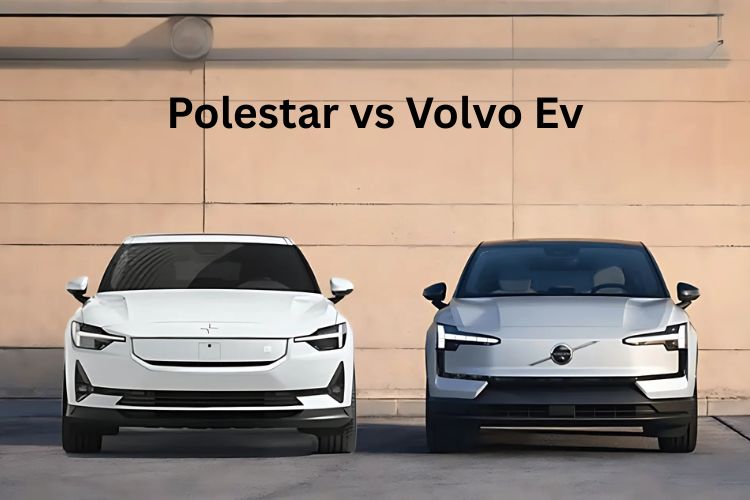
You’re standing between two stunning Swedish electric vehicles at the auto show. Both whisper promises of zero emissions and cutting-edge tech. Both carry that unmistakable Nordic design DNA. Yet something feels fundamentally different about each one. Here’s the jaw-dropper: these aren’t competitors—they’re corporate cousins sharing the same technological DNA under Geely’s ownership umbrella.
Your head spins with questions about performance, pricing, and daily practicality. I get it. Choosing between Polestar and Volvo isn’t just picking a car—it’s choosing between two completely different philosophies wrapped in Swedish steel. The good news? I’ll walk you through every angle that matters, from the 0-60 times that quicken your pulse to the service network realities that affect your weekends.
Keynote: Polestar vs Volvo EV
Swedish siblings Polestar and Volvo offer distinct electric experiences: Polestar delivers performance-focused driving with sport tuning and aggressive design, while Volvo prioritizes family comfort, safety heritage, and practical luxury. Both share platforms and service networks under Geely ownership, making the choice about lifestyle preference over capability differences.
The Swedish Siblings That Split Your Heart
You’re stuck between these two right now, and that’s perfectly normal. Thousands of premium EV shoppers face this exact dilemma in 2025. Both brands emerged from the same Swedish soil, yet they’ve grown into distinctly different personalities that appeal to different parts of your automotive soul.
Your 5-minute roadmap starts here: performance feel, daily reality, actual costs, and that “aha” moment when you realize which one fits your life. The family secret runs deeper than you think—Polestar and Volvo share platforms, charging networks, and even service centers. What’s actually changed in 2025 is that their parent company Geely restructured everything, giving each brand clearer missions and more focused identities than ever before.
Same Roots, Different Dreams: The Brand Story That Matters to You
How These Cousins Grew Apart
Polestar’s breakaway from Volvo’s racing division mirrors the BMW and MINI relationship—same parent, wildly different personalities. Originally Volvo’s performance tuning arm since 1996, Polestar evolved into a standalone electric performance brand in 2017. Think of it as Volvo’s rebellious younger sibling who left home to chase racing dreams and avant-garde design.
Geely’s ownership umbrella means something crucial for your service experience: shared resources without shared limitations. The 2024 corporate restructuring saw Volvo reduce its stake in Polestar from 48% to just 18%, essentially making Geely the primary parent of both brands. This isn’t a divorce—it’s more like two kids finally getting their own bedrooms while still sharing the family dinner table.
Platform sharing secrets explain why they drive so differently despite using identical CMA and SPA2 architectures. As one automotive engineer explained: “It’s like two chefs using the same ingredients but following completely different recipes—the results taste nothing alike.”
What Their Split Personality Means for Your Garage
Shared charging networks double your convenience across 27,800+ stations nationwide. Both brands support Tesla Supercharger access with a $230 adapter, effectively ending range anxiety for most drivers. Service centers often handle both marques, which brings relief for rural buyers who worried about getting stranded with limited dealer networks.
Technology trickles between them constantly, but each brand guards their unique magic. Volvo’s safety innovations eventually appear in Polestar models, while Polestar’s performance tuning techniques influence Volvo’s sportier variants. This sibling rivalry actually benefits you—both brands push harder knowing their cousin is watching.
The Money Talk Nobody Else Has With You
Sticker Shock vs. Long-Game Math
| Model | Starting MSRP | After Tax Credit | Real-World Range | 0-60 mph |
| Volvo EX30 | $36,245 | $28,745* | 265 miles | 5.1 seconds |
| Polestar 2 | $64,800 | $57,300* | 254 miles | 3.8 seconds |
| Volvo EX40 | $53,795 | $46,295* | 296 miles | 4.6 seconds |
| Polestar 3 | $73,400 | $66,900* | 315 miles | 4.5 seconds |
| Volvo EX90 | $81,290 | N/A** | 310 miles | 4.7 seconds |
*Federal tax credit of $7,500 where applicable
**EX90 currently ineligible for federal credit due to final assembly location
The Volvo EX30 at $36,245 versus Polestar 2 at $64,800 represents a significant gap that’s about more than just sticker price. Federal tax credits favor certain models based on where they’re built—Spring Hill, Tennessee gives some Volvo models an advantage, while Polestar’s reliance on overseas production means you might miss out on $7,500 in savings.
Hidden dealer markups create different headaches for each brand. Volvo dealers still operate on traditional negotiation models where markups and “market adjustments” can inflate your final price by thousands. Polestar’s fixed-pricing model eliminates haggling but limits your ability to negotiate.
Your 5-Year Financial Picture
Insurance leans slightly toward Volvo thanks to established brand recognition and extensive claims data. Expect to pay roughly 10-15% more for Polestar coverage simply because insurers have less historical data on repair costs and crash performance. Depreciation tells a more complex story—Polestar takes harder hits initially but may stabilize as the brand matures.
Maintenance costs stay remarkably similar since both brands include scheduled service for 3-4 years. Battery warranties cover 8 years or 100,000 miles across the board, with guaranteed performance above 70% state-of-health. The math starts favoring whichever vehicle better matches your actual driving patterns and charging habits.
Design Philosophy: Which One Makes You Smile?
Volvo’s “Swedish Living Room” Embrace
Seats hug you home after rough days with ergonomic perfection that Swedish furniture makers would envy. Natural materials create Stockholm apartment vibes—driftwood trim, Tailored Wool Blend upholstery, and gear shifters carved from genuine Orrefors crystal in higher trims. Colors draw inspiration from Nordic landscapes with calming blues and grays that never feel dated.
Screens blend seamlessly into the cabin architecture rather than screaming for attention. Everything follows the lagom principle—just the right amount of luxury without overwhelming your senses. The result feels like stepping into a minimalist Scandinavian retreat that happens to accelerate silently.
Polestar’s “Tomorrow Arrived Yesterday” Statement
Angular design turns heads at every charging station with sharp aerodynamic lines and a low-slung aggressive stance. The Performance pack adds gold seatbelts if you’re feeling fancy—a detail that signals this car takes itself seriously as a performance machine. Minimalist interiors either thrill or chill you depending on whether you prefer buttons or touch controls.
The cockpit makes you sit up straighter with driver-focused ergonomics that prioritize engagement over comfort. WeaveTech sustainable materials replace traditional leather while maintaining premium feel. Gallery-like retail “Spaces” extend this aesthetic philosophy into the buying experience itself.
The Daily Drive: How Each One Actually Feels
Acceleration and Handling That Changes Your Commute
Polestar 2 Performance rockets from 0-60 in 3.8 seconds—your morning coffee replacement that delivers adrenaline instead of caffeine. The dual-motor setup sends 476 horsepower through all four wheels with a precision that makes every on-ramp feel like a racing circuit. Steering communicates road surface details with surgical precision.
Volvo EX40 delivers smooth 4.6-second acceleration that’s plenty quick without drama. The same dual-motor architecture gets tuned for refinement over raw speed. One-pedal driving works brilliantly in both brands but feels different—Polestar’s regeneration bites harder for aggressive energy recovery, while Volvo’s approach prioritizes passenger comfort.
Range Reality Check
| Model | EPA Range | Real-World Range | Winter Range | Efficiency |
| Polestar 2 | 270 miles | 254 miles | 190 miles | 3.1 mi/kWh |
| Volvo EX40 | 296 miles | 278 miles | 210 miles | 3.4 mi/kWh |
| Polestar 3 | 315 miles | 298 miles | 225 miles | 2.8 mi/kWh |
Real-world testing reveals both brands tend toward conservative EPA estimates. Winter performance drops 20-25% when temperatures fall below freezing—physics doesn’t discriminate between Swedish siblings. The efficiency crown goes to Volvo’s more aerodynamic SUV designs, though Polestar’s performance focus means you might not care about those extra miles per kWh.
Comfort Zones
Highway whisper-quiet cabins in both create your podcast paradise at 75 mph. Suspension philosophy diverges dramatically here—Volvo floats over imperfections with pillowy compliance, while Polestar plants itself firmly for corner-carving confidence. Back seat reality differs too: Volvo prioritizes actual human comfort while Polestar treats rear passengers like occasional cargo.
Cargo space reveals practical priorities. The EX40’s 57.5 cubic feet swallows IKEA runs and soccer gear with room to spare. Polestar 2’s 38.7 cubic feet forces you to choose between performance and hauling capacity—a trade-off that defines the ownership experience.
Tech and Screens: Google’s Playground With Different Rules
The Android Automotive Experience
“Hey Google” finally understands you thanks to built-in voice recognition that works without your phone. Google Maps delivers EV-specific routing magic, calculating charging stops based on real-time battery levels and station availability. Over-the-air updates genuinely improve things monthly rather than just fixing bugs.
The app ecosystem grows constantly with Spotify, YouTube Music, and even casual games during charging sessions. Both brands share this technological foundation but customize the interface to match their distinct personalities.
Where Each Brand Shows Its True Colors
Volvo’s safety tech feels invisible yet ever-present—adaptive cruise control, lane-centering, and automatic emergency braking work seamlessly in the background. Polestar surfaces performance metrics for data lovers: lap times, g-force readings, and power delivery graphs that turn daily driving into sports car theater.
Physical controls balance differently between siblings. Volvo maintains more traditional buttons for climate and audio functions, while Polestar pushes deeper into touchscreen territory. Voice control excels in both, though Volvo’s system prioritizes family-friendly commands while Polestar focuses on performance settings.
Charging Life: The Weekly Reality Nobody Prepared You For
Home Charging Truth
| Setup | Cost Range | Charging Speed | Time to Full |
| Standard 110V | $0 | 3-4 miles/hour | 3+ days |
| Level 2 240V | $500-2000 | 25-30 miles/hour | 8-10 hours |
| Premium 240V | $1500-3000 | 44 miles/hour | 5-6 hours |
Both brands pull identical 11kW AC charging—overnight full charges become routine regardless of your badge preference. Installation costs depend entirely on your garage situation and local electrician rates. Smart charging features actually save money by timing your sessions during off-peak utility hours.
Solar panel integration works flawlessly with both systems. Your panels can potentially cover most daily driving needs, making fuel costs nearly disappear for typical suburban commuters.
Public Charging Adventures
DC fast charging gives Polestar a slight edge at 205kW maximum versus Volvo’s 200kW capability—a difference you’ll rarely notice in practice. Tesla Supercharger access transforms both ownership experiences with the $230 adapter investment. Networks like Electrify America and EVgo provide 27,800+ stations nationwide.
Real charging costs run under 4 cents per mile for both brands when using public DC fast charging. Level 2 destination charging often comes free at hotels and shopping centers, making road trips surprisingly affordable compared to gasoline equivalents.
Model Matchup: Which One Fits Your Life?
Entry Level Face-Off: EX30 vs. Polestar 2
| Specification | Volvo EX30 | Polestar 2 |
| Body Style | Compact SUV | Liftback Sedan |
| Starting Price | $36,245 | $64,800 |
| Cargo Space | 31.9 cu ft | 38.7 cu ft |
| Rear Legroom | 35.1 inches | 35.6 inches |
| Max Power | 428 hp | 476 hp |
The EX30 represents genuine city parking perfection—small enough for tight spaces but tall enough for easy entry and exit. Polestar 2 brings sport sedan dynamics in electric form with a lower center of gravity that transforms corner handling. Interior space trade-offs matter for daily life: the EX30 feels roomier despite smaller exterior dimensions thanks to SUV packaging advantages.
Price gap justification centers on performance and exclusivity. The Polestar 2’s additional $28,555 buys you 0.7 seconds quicker acceleration, sport-tuned suspension, and entrance into a more exclusive ownership club with fewer than 30,000 units sold annually versus Volvo’s broader market approach.
Family Hauler Showdown: EX90 vs. Polestar 3
Three rows versus two defines the fundamental choice here. The EX90’s 6- or 7-seat configurations handle soccer practice carpools and extended family visits with ease. Polestar 3 strictly seats five but rewards you with dramatically better driving dynamics and 23 more cubic feet of cargo space behind the second row.
Towing capabilities prove both EVs can pull your boat—the EX90 manages 4,850 pounds while Polestar 3 handles 3,500 pounds. Luxury appointments justify price premiums: standard air suspension, premium audio systems, and leather-free sustainable interiors that feel more expensive than traditional materials.
The Buying Experience: Dealership Drama vs. Direct Delight
Volvo’s Traditional Dance
Haggling still exists despite fixed online pricing—prepare yourself for “market adjustments” and financing games that can add thousands to your final cost. Test drives happen readily at 280+ U.S. dealers, making comparison shopping straightforward. Trade-in negotiations happen face-to-face with experienced managers who know market values.
Relationships with service departments start during the sales process. Your salesperson often becomes your primary contact for warranty issues and recall notifications. This traditional approach provides comfort for buyers who prefer human interaction over digital processes.
Polestar’s Modern Approach
Fixed pricing eliminates games and surprises—the price online matches exactly what you’ll pay. Online ordering with Polestar Space visits for touchy-feely experiences combines digital convenience with physical confirmation. Vehicle delivery feels special with white-glove service that makes unboxing an iPhone seem routine.
Limited locations create blessing and curse scenarios. Urban customers enjoy boutique experiences with knowledgeable specialists, while rural buyers may drive hours to touch their future vehicle. Mobile service programs partially address this gap but can’t replace comprehensive dealer networks.
Real Owner Verdict After 50,000 Miles
What Makes Owners Smile
Build quality embarrasses Tesla across both Swedish brands—panel gaps measure consistently, paint quality remains excellent, and interior materials age gracefully. Swedish safety standards provide daily confidence in both highway merging and school parking lots. Winter performance inspires confidence when other vehicles struggle with traction and battery performance.
Customer service responses win praise when things go sideways. Both brands prioritize owner satisfaction over corporate profits, leading to warranty coverage that often exceeds written terms. As one 3-year Polestar 2 owner noted: “They fixed my wind noise issue three times until they got it perfect—no arguments, no charges.”
The Frustrations Nobody Warns You About
Software bugs persist through multiple over-the-air updates, particularly with Android Automotive glitches during phone connectivity. Parts availability creates growing pains for both brands but hits Polestar harder due to lower sales volumes. Range estimates wear rose-colored glasses—expect 15-20% less real-world range than EPA numbers suggest.
Dealer knowledge gaps on EV specifics frustrate owners who know more than service advisors. Charging network reliability varies dramatically by region, making road trip planning more complex than gasoline fill-ups ever were.
Your Decision Framework: Finding Your Thunder
Choose Volvo If You Value:
Peace of mind from established dealer networks spanning 280+ U.S. locations trumps boutique experiences. Maximum comfort over corner-carving thrills suits your daily priorities—you prefer cushioned rides over sport-tuned suspension. Space for life’s messiness and spontaneity matters more than aesthetic purity or minimalist design statements.
Traditional luxury wrapped in electric progress appeals to your sensibilities. You want the safety reputation that saved countless lives over decades, now applied to cutting-edge electric powertrains with standard LiDAR sensors and advanced driver assistance.
Choose Polestar If You Crave:
Performance that makes you take the long way home every single day—acceleration that pins you to sport seats and handling that begs for mountain roads. Design that sparks conversations at charging stations, from the aggressive stance to those gold seatbelts that announce your performance priorities.
Direct sales simplicity without dealership games saves time and stress during the buying process. Fixed pricing and online ordering eliminate negotiation anxiety completely. Exclusive brand experience feels special when you’re one of fewer than 30,000 annual customers versus Volvo’s broader market approach.
Conclusion: The Test Drive That Tells All
Forget the specs for a moment—how does each one make you feel when you slip behind the wheel? The numbers matter, but your emotional response to acceleration curves, steering weight, and cabin ambiance tells the real story. Test the route you actually live: school runs, daily commutes, weekend escapes to places that make you happy.
Listen to your gut after back-to-back drives on identical roads. Remember that both represent brilliant choices, just different kinds of brilliant. Your perfect EV depends entirely on whether you prioritize Swedish safety heritage or Swedish performance rebellion.
Volvo EV vs Polestar (FAQs)
Is Polestar owned by Volvo?
Polestar is no longer directly owned by Volvo. In 2024, Volvo reduced its ownership stake from 48% to just 18%, with parent company Geely now holding primary control. They remain corporate cousins sharing technology, platforms, and service networks, but operate as separate brands with distinct missions under the Geely umbrella.
What makes Polestar different from Volvo?
Polestar focuses exclusively on performance electric vehicles with sport-tuned suspension, aggressive styling, and driver-focused interiors. Volvo maintains its traditional emphasis on safety, comfort, and family practicality while transitioning to electric power. Think of Polestar as the performance rebel and Volvo as the safety-conscious family guardian.
Can Polestar use Volvo service centers?
Yes, Polestar relies almost entirely on authorized Volvo service centers for maintenance and repairs. This shared network provides broader service coverage but can create prioritization issues where some customers report longer wait times or less specialized knowledge from technicians primarily trained on Volvo vehicles.
Which has better range: Polestar or Volvo?
Volvo generally delivers slightly better real-world range thanks to more aerodynamic SUV designs and efficiency-focused tuning. The Volvo EX40 achieves around 278 miles in real-world conditions versus the Polestar 2’s 254 miles. However, both lose 20-25% range in winter conditions, and charging infrastructure matters more than small range differences for most drivers.
Why is Polestar more expensive than Volvo?
Polestar positions itself as a premium performance brand with sport-tuned components, exclusive design elements, and lower production volumes that increase per-unit costs. The Polestar 2’s $64,800 starting price versus the Volvo EX30’s $36,245 reflects performance-oriented engineering, boutique brand positioning, and the costs of establishing a new luxury marque rather than leveraging Volvo’s established manufacturing scale.